8 Ways to Spot a Flood-Damaged Car Before You Buy (Don't Get Stuck With Water Damage)
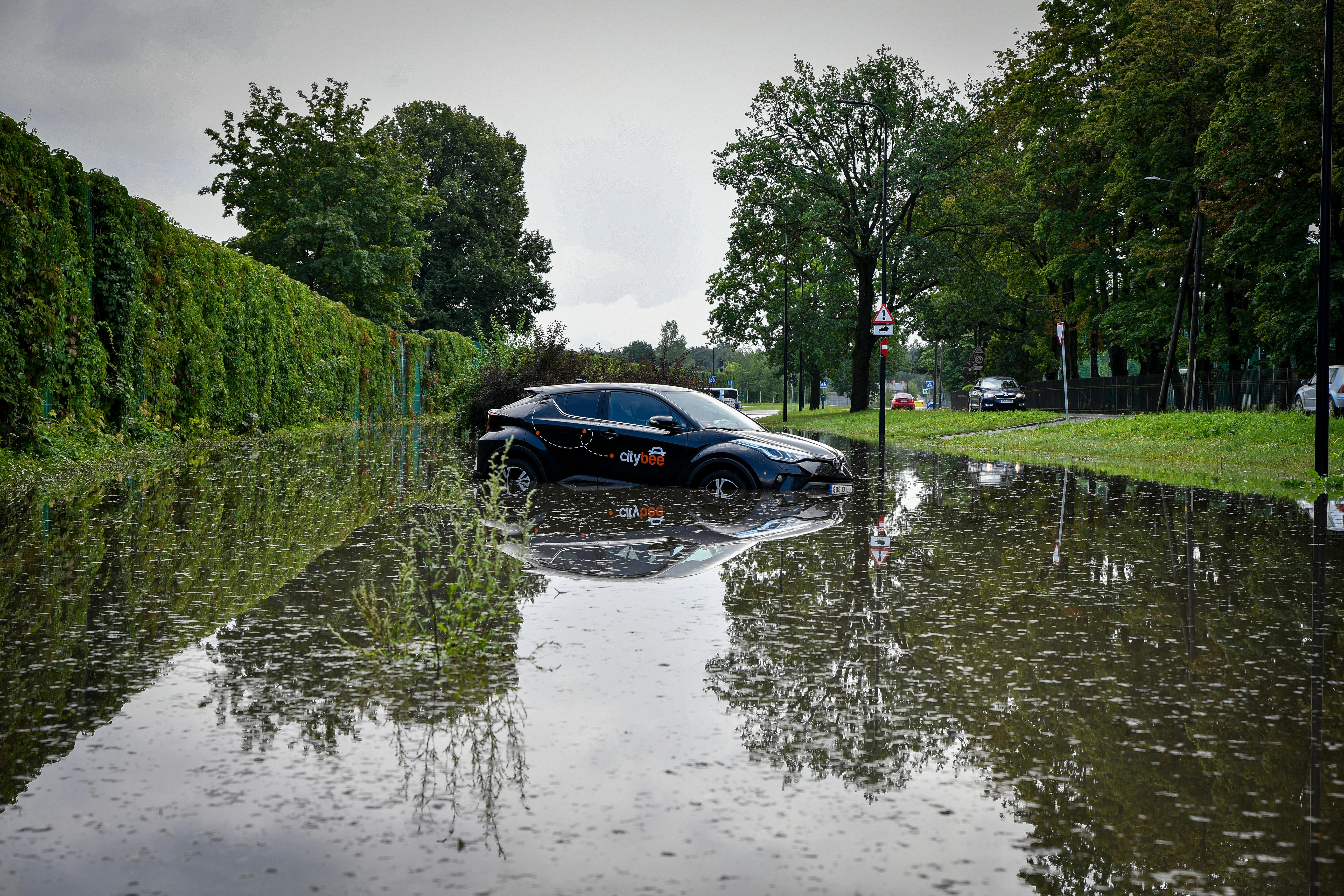
You're scrolling through listings on a Tuesday morning, and you find it: a 2019 Honda CR-V, one owner, $16,200, way below market. The photos look clean. The mileage is reasonable at 67,000 miles. You call the dealer, excited, and they say it's a trade-in that just came off the lot. Your stomach should be telling you to pump the brakes. Not because anything's necessarily wrong, but because flood-damaged vehicles are flooding the used car market right now, and most buyers have no idea what to look for.
After major storms over the past few seasons, flood cars have slipped past unprepared buyers more times than is ideal. Some of those buyers end up spending thousands on electrical repairs that could have been prevented with thirty minutes of due diligence. This isn't about being paranoid. It's about protecting your investment before you sign a new auto loan or trade in your current vehicle for something that looks like a deal but turns into a nightmare.
1. Check the Title and History Report (This Matters More Than People Think)
Before you even look at the car, order a vehicle history report. CarFax, AutoCheck, or your dealership should run one for you. Look specifically for the words "flood," "water damage," "salvage," or "branded title." Some states require flood cars to be branded on the title, but not all do, and not all flood damage gets reported.
That said, a clean title doesn't mean a clean car. A private seller might have bought a flood-damaged vehicle, fixed it up cosmetically, and now they're selling it without reporting the history. This is why the physical inspection matters just as much as the paperwork. Ask your dealer directly: "Has this car ever been branded, salvaged, or reported as water-damaged?" A reputable dealer will tell you the truth. If they dance around the answer, walk away.
2. Look for Water Stains and Discoloration Inside the Cabin
Open the driver's side door and crouch down. Run your hand along the bottom edge of the carpet where it meets the metal floor. Does it feel damp? Does it smell musty or like mold? Check the seams where the carpet meets the door sill.
Now get in and look at the upholstery. Run your fingers along the bottom of the seats, the floor mats, and under the rear seat cushions. Water leaves a mark. You're looking for discoloration, staining, or a waterline that's higher on the seat back than it should be. Consider a scenario where a buyer purchases a 2018 Toyota Tacoma for $22,400 and doesn't check the cabin closely enough. Two months later, electrical gremlins start. The carpet had been wet, the padding underneath held moisture, and the water damage had slowly corroded the wiring harness. The repair bill reaches $3,100—damage that should have been caught before financing the truck.
Don't just look with your eyes. Smell is a powerful diagnostic tool. Open every door, pop the trunk, and open the hatchback if it's that body style. Real mold and mildew have a distinctive, musty odor that air freshener can't hide forever. New car smell can mask a lot, but given enough time in a closed vehicle, the truth comes out.
3. Inspect the Engine Bay for Rust, Corrosion, and Water Residue
Pop the hood and look around. Are there white or green mineral deposits on the battery terminals, wiring connectors, or metal brackets? Is there mud or silt buildup in corners where water would naturally settle? Flood water isn't clean, it carries sediment, and that stuff accumulates in places you'd never reach without taking things apart.
Check the engine oil. Unscrew the dipstick, wipe it clean, put it back in, and pull it out again to get an accurate reading. If the oil is milky, cloudy, or has a brownish tint, water has gotten into the engine. That's a $4,000-plus problem waiting to happen. Also, look at the underside of the hood—water leaves a tidemark, a faint line where the waterline sat. Some sellers detail the engine bay to hide this. Some don't.
4. Test Every Electrical Component Thoroughly
Flood damage doesn't always show up immediately. The real killer is electrical corrosion. Turn on the headlights, then the high beams. Do they flicker or dim? Test the windshield wipers, the power windows, the power locks, the radio, the climate control, the dashboard lights, and the interior lights. A single glitchy component might be nothing. Multiple electrical quirks suggest water infiltration.
Now drive the car. Does the dashboard rattle in a way that feels loose? Are there any electrical smells, like burnt plastic or ozone? Turn the steering wheel lock-to-lock and listen for grinding. Turn the headlights on and off while you're parked to see if they hesitate or flicker. These tests take ten minutes and can save you thousands on a bad auto loan you took out on a lemon.
5. Look at the Undercarriage and Frame for Rust and Debris
Get the car on a lift or find a spot where you can see underneath. Use your phone's flashlight if you need to. Look at the frame, the suspension components, and the underside of the doors. Is there excessive rust in areas that shouldn't be rusted? Is there silt or mud caked on? Newer cars don't rust this quickly unless they've been submerged.
Check the fuel tank area, the rear axle, and the transmission pan. Water in the transmission or differential is expensive. A transmission fluid change runs $150 to $300, but if water got into the differential and caused damage, you're looking at $800 to $2,000 depending on the vehicle. The best price on a used car isn't a deal if the undercarriage tells you the real story.
6. Get a Pre-Purchase Inspection From a Trusted Mechanic
This is non-negotiable. Don't rely solely on what the dealer tells you or what you can see yourself. Hire an independent mechanic to do a thorough pre-purchase inspection. It costs $100 to $200, and it's the best money you'll spend. A good mechanic has seen flood damage before and knows exactly where to look. They can run a moisture meter in the carpet, check for water in the door panels, and spot hidden damage that you'd miss.
When you're financing a new auto loan or paying cash for a used car, you're making a five-figure commitment. Spending two hours and a couple hundred bucks on a professional inspection isn't overboard. It's smart money.
7. Know the Common Hiding Spots for Water Damage
Water settles in places you wouldn't think to check. Behind the dashboard air vents, inside the steering column, in the cabin air filter housing, inside door panels, and under the rocker panels. Some of this stuff requires taking things apart, which is why that mechanic inspection is so valuable.
Also check the spare tire well and the areas around the battery. Flood water leaves evidence. Your job is to find it before you commit. When you're comparing trade-in value or negotiating the best price, you want to do it with full knowledge of what you're actually getting.
8. Ask the Dealer Directly About the Vehicle's History
A dealer worth doing business with will be upfront about any water damage. If a car's been through reconditioning after flood damage, they should tell you. If it's been repaired by a professional shop, ask for documentation. Ask where the vehicle came from—was it a trade-in, an auction buy, or part of an estate sale? Some sources are higher-risk than others.
And trust your gut. If something feels off about the deal, the story, or the condition, it probably is. You're not being paranoid. You're being a smart buyer who wants their next vehicle to be reliable, not a financial sinkhole.
Bottom Line: Do Your Homework
Flood-damaged cars are on the market right now. They're priced to move because dealers need to clear them, and opportunistic private sellers want to offload them before the problems become obvious. Your job is simple: look carefully, ask tough questions, get a professional inspection, and don't let a good price pressure you into a bad decision. A few hours of work now beats thousands in repairs later.
The best price isn't the lowest number on the sticker. It's the price on a car that's actually reliable.